
Toronto services
Roofing Services in Toronto
Toronto roofs face wind-driven rain, summer heat, snow accumulation and repeated freeze-thaw cycles. Statley Roofing & Masonry offers roofing work that considers the full assembly, from decking and underlayment to flashing, ventilation and drainage.
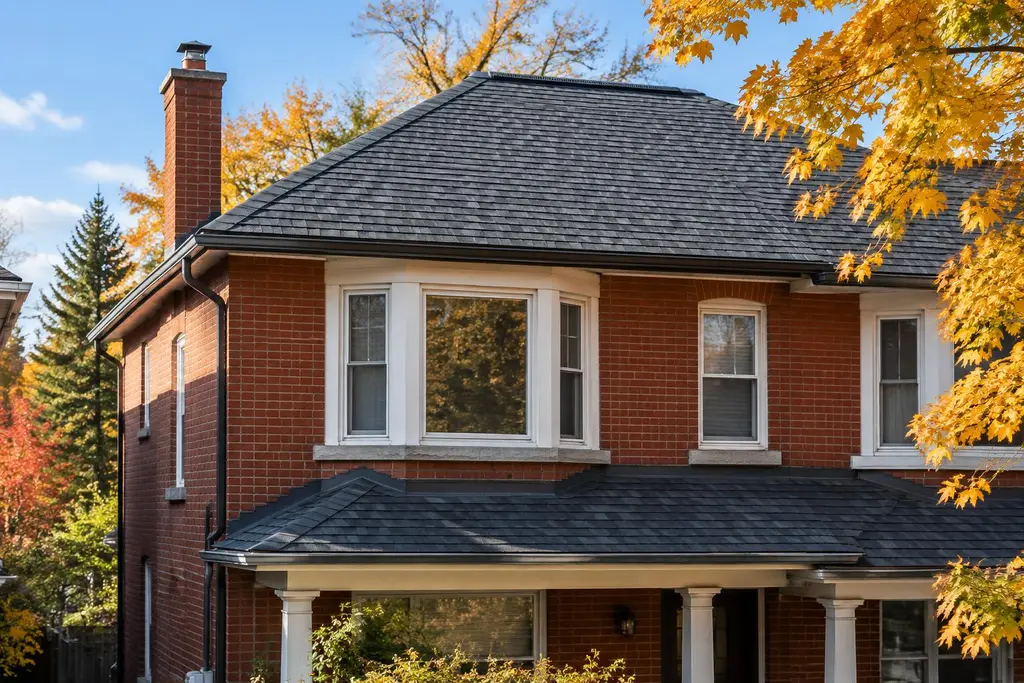
We begin with an inspection, explain the findings and provide a written quote. A written contract defines the agreed work before it starts, followed by clean-up and a walkthrough. Whether your property needs a targeted repair or a new roof, the scope should address the cause of deterioration rather than just its visible symptoms.
New Roof Installation
A new roof needs more than a surface covering. We assess roof geometry, supporting decking, ventilation routes and drainage before discussing asphalt, metal or membrane options. Toronto snow, wind-driven rain and ice dams influence details at valleys, eaves and roof penetrations. Installation includes compatible underlayment, flashing and edge components, with sequencing coordinated around the building's construction. New additions and substantial roof alterations also need attention to structural drawings and applicable Ontario Building Code requirements. Some of this work may require a building permit from the City of Toronto; we'll confirm what's needed for your project.
Roof Repairs & Replacement
Missing shingles, recurring ceiling stains and widespread granule loss call for different responses. We inspect the covering, flashing and accessible decking to distinguish a local defect from deterioration affecting the whole roof. A repair might replace damaged shingles and rebuild one flashing detail; replacement involves removing worn materials and preparing a sound substrate. Toronto freeze-thaw cycles can enlarge small openings, so the surrounding assembly matters as much as the visible damage. Your written quote explains the proposed scope, material transitions and any conditions that cannot be assessed until the old covering is removed.
Asphalt Shingle Roofing
Asphalt shingles suit many Toronto pitched roofs, but their performance depends on installation details beneath and around them. We review deck condition, roof slope, eave protection and ventilation before selecting a compatible shingle system. Work includes starter courses, correctly positioned fasteners, valley treatment and ridge finishing. Curling tabs, exposed reinforcement or shingles lifting after wind can indicate deterioration worth investigating. We also examine wall junctions and pipe flashings rather than treating shingles as an isolated layer. Colour and profile choices can be discussed alongside practical considerations such as neighbouring rooflines and existing exterior finishes.
Metal Roofing
Metal roofing requires careful attention to movement, attachment and transitions. We assess whether standing-seam panels or another suitable metal profile fits the roof's slope, geometry and supporting structure. Toronto temperature swings make expansion details important, while snow shedding may affect entrances and walkways below. Installation planning includes underlayment, compatible flashings, fastener placement and separation from dissimilar metals. Loose panels, corrosion around penetrations or deteriorated sealant can signal repair needs on existing roofs. We discuss finish colour, roof access and snow-control considerations before defining a scope appropriate to the property.
Cedar Shingle Roofing
Cedar shingles create a textured roof surface that needs suitable spacing, exposure and drying conditions. We inspect the roof slope, substrate and ventilation before recommending repairs or replacement. Split shingles, persistent moss, soft wood and uneven courses can indicate moisture retention or ageing materials. Toronto shade, snow cover and humid summers affect how quickly cedar dries, particularly beneath trees. Work may involve selective removal, compatible replacement shingles and renewed flashing at roof intersections. We discuss natural colour changes and maintenance needs so the appearance and upkeep expectations are clear before installation begins.
Flat Roof Installation & Repairs
Low-slope roofs rely on continuous membranes and deliberate drainage rather than overlapping shingles. We inspect seams, flashings, roof edges and outlets to understand how water moves across the surface. Depending on the assembly, repairs or installation may involve modified bitumen, EPDM or another compatible membrane. Toronto freeze-thaw cycles can stress ponded areas and poorly detailed penetrations. Blisters, open seams and interior staining deserve investigation, but the wet area inside may not sit directly below the entry point. We assess insulation and substrate conditions before deciding whether a localized repair or broader replacement makes sense.
Commercial & Industrial Roofing
Commercial and industrial roofs often combine large drainage areas with mechanical equipment, roof hatches and frequent service access. We assess membrane condition, perimeter attachments, rooftop penetrations and drainage routes before defining the work. Toronto snow accumulation and temperature swings can expose weaknesses around curbs and expansion details. Repairs may include compatible membrane patches, flashing replacement or sections of wet insulation and decking where appropriate. For replacement projects, access, material handling and protection of occupied areas need advance planning. We discuss work sequencing with the property contact so roofing activities account for the building's daily use.
Roof Leak Detection & Repairs
A ceiling stain does not identify where rain entered the roof. Water can travel along framing, insulation or membrane layers before becoming visible indoors. We inspect likely entry points such as valleys, wall junctions, vents and damaged coverings, considering whether the problem follows rainfall, snowmelt or wind. Toronto ice dams can also push water beneath otherwise intact shingles. Repairs target the identified defect using compatible materials rather than relying on surface sealant alone. Where concealed conditions remain uncertain, we explain the limits of the inspection and any additional opening or investigation needed.
Roof Flashing Repairs
Flashing directs water away from roof intersections, chimneys, walls and penetrations. Rusted metal, loose counterflashing and exposed sealant joints can allow water behind the roof covering even when surrounding shingles look sound. We inspect how the flashing overlaps with adjacent materials and whether water has a clear route back onto the roof. Toronto freeze-thaw movement can worsen small separations at these junctions. Repairs may involve removing nearby roofing, replacing formed metal and restoring the correct layering. We consider metal compatibility and attachment details rather than simply covering failed joints with another bead of sealant.
Ridge Cap & Roof Vent Replacement
Cracked ridge caps and damaged roof vents can admit rain or snow near the highest part of a pitched roof. We inspect fasteners, vent housings, surrounding shingles and the underlying opening before replacing components. Vent selection should match the roof assembly and work with available intake ventilation, not simply add more openings. In Toronto winters, an unbalanced attic can contribute to condensation and conditions associated with ice dams. Replacement includes compatible cap shingles or vent flashings and attention to wind exposure. We also check whether blocked airflow or interior air leakage needs separate attention.
Roof Decking & Plywood Replacement
Roof coverings need a stable deck beneath them. Soft spots, visible sagging, delaminated plywood or fasteners that no longer hold can indicate damaged sheathing. We assess accessible areas and explain that some deterioration becomes apparent only after the covering is removed. Replacement involves cutting back to suitable supports, installing appropriate panels and maintaining required spacing and fastening. Toronto roof leaks and attic condensation are common moisture sources that should be addressed alongside the wood repair. We distinguish sheathing replacement from structural framing work, which may require further assessment before roofing materials are installed.
Roof Truss & Rafter Repairs
Sagging rooflines, split rafters and altered truss members need investigation before cosmetic repairs proceed. We assess visible conditions and arrange structural input where the load path or repair design requires it. Toronto snow loads make improvised cutting, patching or removal of framing particularly concerning. Work may involve temporary support and designed reinforcement or replacement, followed by reinstatement of affected decking and roofing. The sequence must protect the building while structural members are exposed. Some of this work may require a building permit from the City of Toronto; we'll confirm what's needed for your project.
Ice & Water Shield Installation
Ice and water shield is a self-adhered underlayment used at vulnerable roof locations, including eaves and selected valleys or penetrations. It provides a secondary water-shedding layer beneath the finished covering when installed on a suitable deck. Toronto ice dams can cause water to back up beneath shingles, making correct coverage and detailing important. We inspect deck cleanliness, temperature limitations and compatibility with the roofing system before installation. This material does not correct attic heat loss, blocked ventilation or poor drainage, so those conditions are considered separately when recurring winter leakage is the concern.
Roof Insulation Upgrades
Uneven indoor temperatures, high heat loss and persistent rooftop snowmelt can justify reviewing roof or attic insulation. We assess the assembly before recommending added material, since pitched attics and insulated flat roofs need different approaches. Air leakage, moisture conditions and ventilation pathways must be considered alongside insulation depth. Toronto winters can expose condensation problems when warm indoor air reaches cold roof surfaces. Work may involve improving accessible attic coverage or replacing insulation within a roof assembly during reroofing. We avoid covering active leaks or damp materials and explain any access limitations affecting the proposed upgrade.
Roof Snow Guard Installation
Snow guards help manage the release of snow and ice from suitable sloped roofs, particularly metal surfaces above entrances, sidewalks or equipment. Their layout depends on roof pitch, panel configuration, attachment method and anticipated loading. Toronto thaw periods can release accumulated snow suddenly, so isolated devices placed without a plan may not address the risk. We assess the roof covering and supporting details before discussing a compatible system. Installation must preserve weathering details and account for manufacturer instructions. Snow guards do not replace ongoing observation of winter roof conditions or the need to keep vulnerable areas clear.
Roof Drain Installation & Repairs
Blocked or deteriorated roof drains can leave water standing on a low-slope roof long after rainfall. We inspect the drain bowl, strainer, membrane connection and accessible outlet conditions to determine whether the issue is debris, a failed flashing detail or a drainage-system problem. Toronto leaves and freeze-thaw cycles can complicate drainage around rooftop outlets. Repairs may include renewed membrane flashing or replacement of damaged drain components, with plumbing involvement where needed. New drain placement requires consideration of roof slope, discharge connections and overflow provisions rather than simply cutting an opening at a convenient location.
Roof Membrane Installation
A roof membrane must suit the substrate, slope, insulation and expected use of the roof. We review these conditions before discussing compatible systems such as modified bitumen, EPDM or TPO. Installation involves substrate preparation, specified attachment or adhesion, carefully formed seams and detailed transitions at walls and penetrations. Toronto temperature changes and rooftop service traffic make these junctions especially important. Brittle surfaces, repeated seam failures or extensive patching can suggest the existing membrane needs broader attention. We also consider how the new membrane will connect to drains and edges without trapping moisture in unsuitable underlying layers.
Roof Restoration & Coatings
Roof coatings may be appropriate for some existing roof systems, but they are not a substitute for sound decking, secure seams or functioning drainage. We inspect adhesion, moisture conditions and surface deterioration before considering a compatible restoration approach. Preparation can include cleaning, localized repairs and treatment of vulnerable joints before coating application. Toronto weather requires a suitable dry application window and attention to curing conditions. Peeling coatings, recurring ponding or saturated insulation may point toward other work instead. We explain the limitations of the proposed treatment and identify roof areas that should be repaired or replaced first.
Roof Drainage & Ponding Water Solutions
Water that remains on a roof after surrounding areas have drained can indicate inadequate slope, obstructed outlets or settled insulation. We assess where water collects and how it reaches drains, scuppers or roof edges. Toronto freeze-thaw cycles can increase stress around persistent ponding, while accumulated debris may conceal membrane damage. Depending on the findings, work may involve clearing drainage paths, adjusting outlets or introducing tapered insulation during reroofing. Structural deflection requires separate evaluation rather than a surface patch. The aim is a practical drainage layout that works with the building's existing roof and discharge arrangements.
Roof Curb & Penetration Flashing
Equipment curbs, pipes and roof hatches interrupt the roof's water-shedding surface. Leaks often develop where flashing is too low, seams separate or replacement equipment leaves awkward transitions. We inspect curb condition, membrane terminations and clearances around each penetration before proposing repairs. Toronto snow buildup can keep these details wet for extended periods, making careful upstands and secure terminations important. Work may include rebuilding compatible membrane flashings or replacing damaged metal components. Where equipment must be moved or disconnected, the sequence needs coordination with the appropriate trade before the roofing detail can be completed.
Green Roof Installation
A green roof adds planting, growing medium and drainage layers above a carefully detailed roofing assembly. We review structural capacity, access, waterproofing, root resistance and maintenance requirements before discussing installation. Toronto rainfall, winter dormancy and summer heat influence planting and drainage choices. The design also needs practical access to outlets and penetrations so vegetation does not hide developing problems. Structural and design professionals may be needed to establish an appropriate assembly and applicable municipal requirements. Some of this work may require a building permit from the City of Toronto; we'll confirm what's needed for your project.
Roof Inspections & Maintenance
Routine roof checks can reveal loose flashing, blocked drainage and damaged coverings before symptoms appear indoors. We inspect accessible roof areas, note visible deterioration and identify locations that warrant closer investigation. Toronto spring thaws and autumn leaf fall are useful times to consider drainage and weathering conditions. Maintenance may include debris removal, small compatible repairs and attention to vulnerable transitions where the scope allows. An inspection describes observed conditions at that time; it cannot reveal every concealed defect. We explain access restrictions and distinguish immediate repair concerns from items that can be monitored.
Emergency Roof Repairs
An active roof leak or wind-damaged covering needs prompt attention, but safe access depends on weather, roof condition and the extent of damage. Contact us to discuss the situation and current availability. Initial work may involve temporary protection or a limited repair to reduce further water entry while a permanent scope is assessed. Toronto storms can damage shingles, flashing and rooftop components in different ways. We document visible conditions and explain what remains unresolved after temporary work. Keep people away from sagging ceilings, fallen materials and electrical hazards, and avoid climbing onto a wet or damaged roof.
Storm Damage Repairs
Strong winds, hail and falling branches can damage roofing beyond the most obvious missing shingles. We inspect affected coverings, flashing, vents and accessible decking to identify both visible impact damage and displaced components. Toronto storms may also push water through exposed junctions that remain hidden from ground level. Repairs can involve replacing damaged materials and restoring transitions around the affected area. If damage extends into framing, further assessment is needed before closing the roof. We describe the observed condition and proposed work without assuming that every weathered surface was damaged by the same event.
Attic Ventilation Improvements
Attic ventilation depends on a clear route between intake and exhaust, not simply the number of vents on the roof. We inspect accessible soffit openings, baffles, roof vents and signs of moisture to understand how the attic is functioning. Toronto winters can reveal condensation, frost and ice dams where heat and moisture enter from living spaces. Improvements may include reopening blocked intake paths or replacing unsuitable exhaust components. Air sealing and insulation conditions also need consideration because ventilation alone cannot correct substantial indoor air leakage. We discuss changes as part of the whole attic assembly.
Snow & Ice Dam Removal
We cover this service in full on our seasonal services page. Read about snow & ice dam removal or see our detailed Toronto guide.
Related services
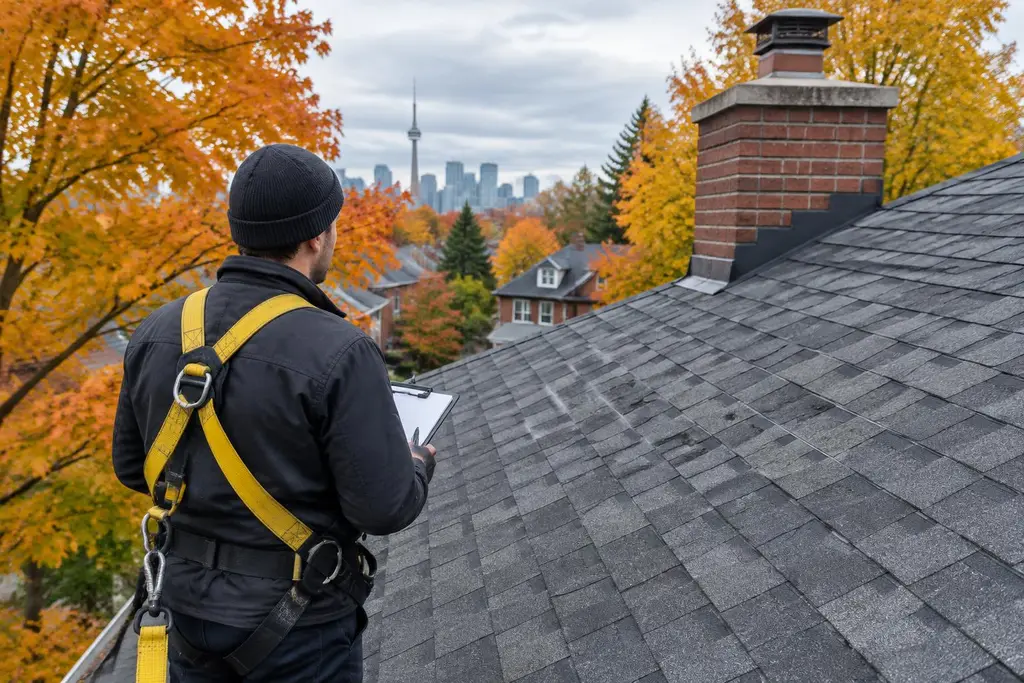
Up to 30-year warranty. Warranty terms and coverage are set out in your written contract.
Roofing FAQ
How do I know whether my roof needs repair or replacement?
A localized flashing defect may be repairable, while widespread deterioration or damaged decking can justify broader work. An inspection helps establish the condition and explain the options.
Can a roof leak appear far from its entry point?
Yes. Water can travel along roof layers or framing before it reaches a ceiling. Leak investigation should consider the roof layout rather than only the stain below.
Do roofing projects need a City of Toronto permit?
Requirements depend on the work. Structural alterations and some new roof projects may need a permit; straightforward covering replacement can be different. We confirm the requirements for the proposed scope.
Can you work on both pitched and flat roofs?
We offer pitched and low-slope roofing services. The recommended materials and details depend on slope, drainage, substrate condition and the building's use.
Does new roofing solve ice dams?
Not necessarily. Ice dams can involve attic heat loss, air leakage, ventilation and winter conditions. Roofing protection should be considered alongside those contributing factors.
What happens before roofing work begins?
The process starts with an inspection and written quote. A written contract establishes the agreed scope before work, followed by clean-up and a walkthrough.
Free estimates
Free estimate for roofing
Tell us what's going on and add a few photos if you can. We'll arrange an inspection and give you a written quote.
Ready for a free written estimate?
Tell us about your roof, masonry or exterior project. We'll arrange an inspection and put our recommendations in writing.